Online Reputation Management: A Guide for UK Service Businesses
Online Reputation Management for UK Service Businesses
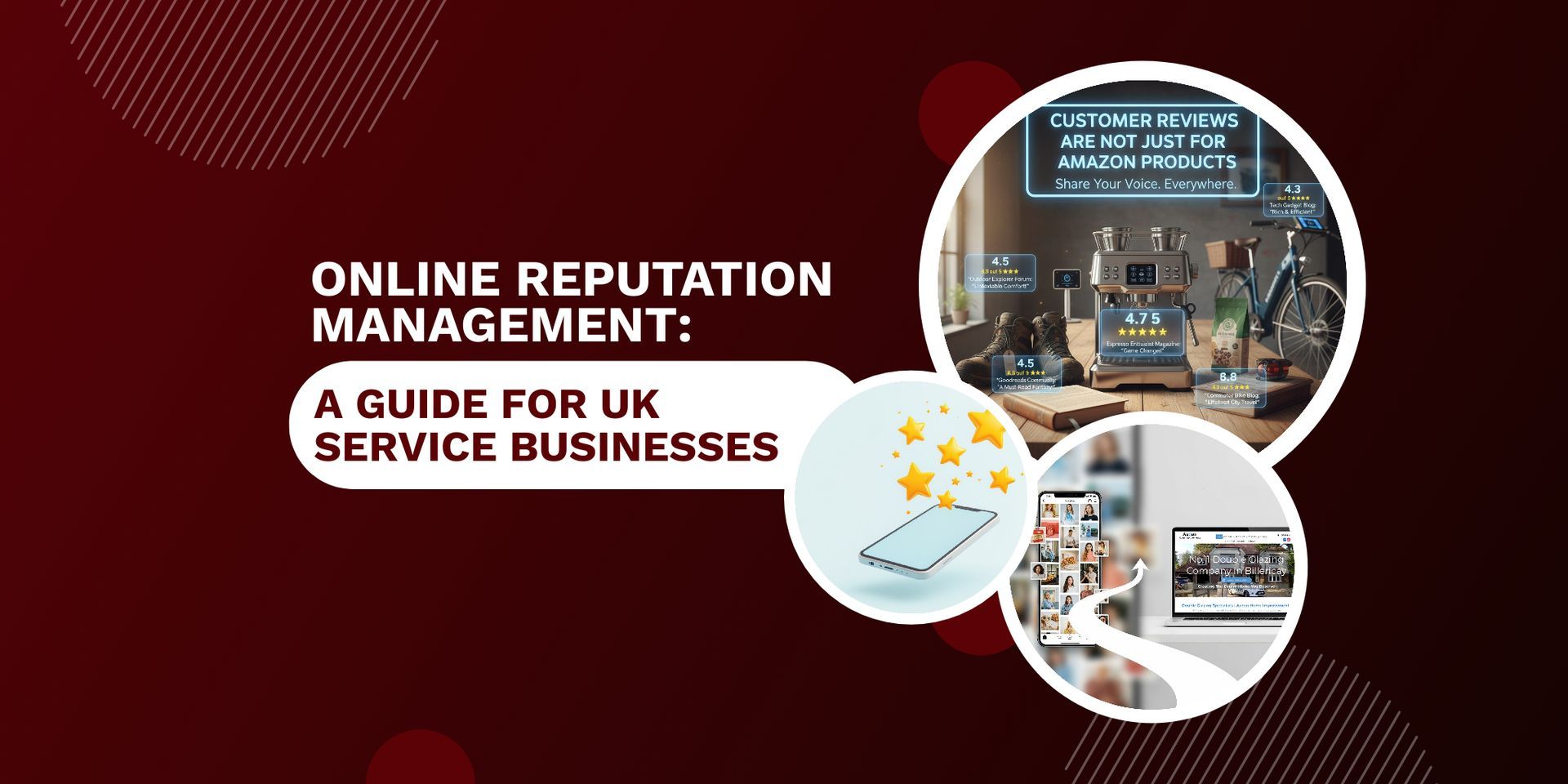
Managing your online reputation is one of the most practical things a UK service business can do to grow steadily and sustainably.
Whether you run a plumbing company in Manchester, a consulting firm in London, or a cleaning service in Bristol, what people find when they search for you online shapes whether they get in touch or move on.
This guide walks you through online reputation management for small businesses in a straightforward, jargon-free way, covering everything from setting up monitoring to collecting genuine reviews and handling negative feedback with confidence.
What is online reputation management?
Online reputation management, often shortened to ORM, is the process of understanding, shaping, and improving how your business appears online.
It covers everything from the reviews customers leave on Google and Trustpilot, to what shows up when someone searches your business name. For UK service businesses, it is essentially about making sure the digital impression you leave matches the quality of the work you do in person.
ORM and SEO are related but not the same thing. SEO focuses on helping your website rank higher in search results for relevant terms. ORM focuses on what those search results actually say about you once people find them.
The two work well together. Strong reviews and a well-managed Google Business Profile can support your local SEO rankings, while good SEO helps surface your most positive content more prominently.
There are three core areas where ORM makes the biggest difference for service businesses. The first is collecting genuine reviews from real customers. The second is responding to feedback, both positive and negative, in a way that reflects your values.
The third is building word-of-mouth through consistent service and engagement. None of this requires a big budget or a dedicated marketing team. Most of it comes down to good habits and a little structure.
Why does your online reputation matter?
Your reputation shapes what potential customers think of you before they ever speak to you.
Someone searching for a local electrician or a bookkeeping service will scan reviews, star ratings, and recent activity before deciding who to contact.
If your profile looks neglected or your reviews are outdated, they are likely to move on to someone who looks more active and trusted.
The numbers back this up. According to BrightLocal's 2024 Local Consumer Review Survey, 76% of consumers regularly read online reviews when browsing for local businesses.
That is a significant majority making judgements about your business based on what others have written.
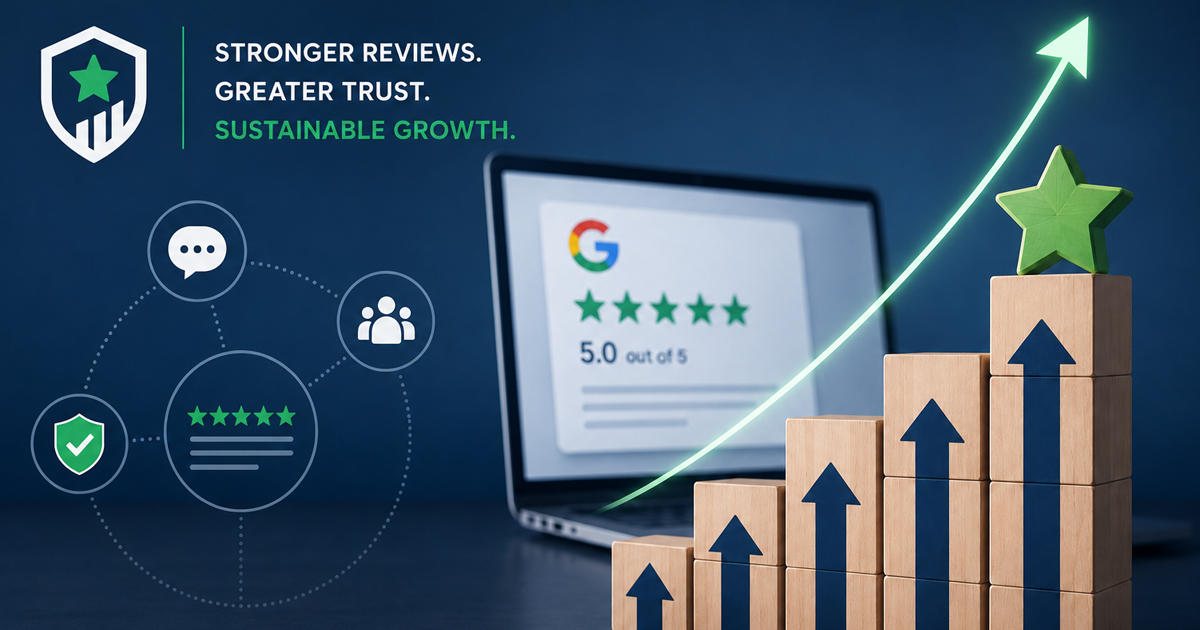
Your reputation is not just a nice-to-have. It is an active part of your sales process.
There are four clear benefits to managing your reputation well. First, it builds trust with people who have never used your service before.
A business with a steady stream of recent, genuine reviews feels far more credible than one with nothing posted in months.
Second, it attracts new customers who would otherwise have no way of knowing you are good at what you do.
Third, businesses with strong reputations can often charge a fairer price because they have evidence of quality behind them.
Fourth, the feedback you collect is a free and ongoing source of insight into what your customers actually value and where you can improve.
Think of your reviews as a rolling piece of market research that updates itself automatically. Every review tells you something about what your customers notice most, what they remember, and what matters to them when choosing a service business like yours.
How to build an online reputation management strategy
The starting point for any solid ORM strategy is an honest audit of where you stand right now. Before you can improve anything, you need to know what is already out there.
Search your business name on Google and take note of what comes up on the first page.
Look at your star rating, the number of reviews you have, how recently they were posted, and whether any of them have gone without a response.
Check your Google Business Profile to make sure the information is accurate and complete.
Your address, phone number, opening hours, and service description should all be current. Then do the same for Trustpilot, Facebook, and any industry-specific directories relevant to your sector.
In the UK, this might include Checkatrade or Rated People for tradespeople, Yell for general service businesses, or sector-specific bodies that display member profiles.
Once you have a clear picture of your current position, set some realistic goals. These do not need to be complicated.
You might aim to bring your average star rating from 3.8 to 4.3 over the next six months, or to grow your review count from 12 to 40 by the end of the year.
Having a target gives you something to work towards and a way to measure whether your efforts are making a difference.
Before you invest in any tools, start with a simple weekly monitoring routine.
Block out 15 minutes each week to check your review platforms, respond to anything new, and note any patterns in what customers are saying.
This habit alone will put you ahead of most local competitors who do not check their profiles consistently.
How to monitor your online reputation
Staying on top of your online reputation does not have to take over your working week.
The key is to build a small number of reliable habits and check-ins that keep you informed without becoming overwhelming. The sections below break down the most practical approaches for UK service businesses.
Set up Google Alerts
Google Alerts is a free tool that sends you an email notification whenever Google finds new content mentioning a specific word or phrase.
Set up alerts for your business name, the names of any key staff members who are publicly associated with the company, and your main service terms combined with your location.
It takes about five minutes to configure and runs automatically in the background from that point on.
If someone writes about your business in a blog post, a news article, or a forum, you will know about it quickly without having to search manually.
Check review platforms regularly
Build a habit of visiting your main review platforms at least once a week.
Google Business Profile and Trustpilot are the two most important for most UK service businesses. Facebook is worth checking if you have an active page with customer engagement.
If you operate in a trade where specialist directories are used, such as Checkatrade, TrustATrader, or a professional body directory, include those in your weekly check too.
Reading new reviews regularly means you can respond promptly, which matters both to the customer who left the review and to anyone else reading it.
Monitor social media mentions
Social media monitoring goes beyond checking your own posts and notifications. Customers sometimes mention a business in a comment, a story, or a community group without tagging the account directly.
Free tools like Google Alerts can catch some of this, and paid social listening tools go further by scanning platforms for any mention of your business name, even without a direct tag.
At a minimum, search your business name directly on Facebook, Instagram, and any other platform you use at least once a fortnight to catch anything that has slipped through.
Search for your business on Google
Make a habit of searching your own business name on Google every couple of weeks from a browser where you are not logged in.
This gives you a clearer view of what a potential customer would actually see. Pay attention to the "People also ask" section, as the questions that appear there tell you what real users are asking about businesses like yours.
Check the image results too, especially if you rely on visual content to showcase your work. If anything appears that you were not aware of, you can take action quickly.
How to collect genuine customer reviews
Genuine reviews start with a consistently good service experience. No review strategy will work in the long run if the underlying service does not meet expectations.
When you consistently deliver on what you promise, asking for a review becomes a natural and comfortable part of wrapping up a job.
Most satisfied customers are genuinely happy to leave a review when asked at the right moment.
The timing matters. The best point to ask is shortly after the service has been completed, while the experience is still fresh.
A customer who felt good about the job last week is far more likely to take action than one you contact a month later.
The most effective approach is to send a short follow-up message, either by text or email, with a direct link to the review platform you most want to grow. Do not ask customers to hunt for your profile themselves.
Make it as easy as possible by including a link that takes them directly to the review submission page.
Keep the message brief and genuine. A simple note saying you hope they were happy with the work and that a review would mean a lot to you is more effective than a long, formal request.
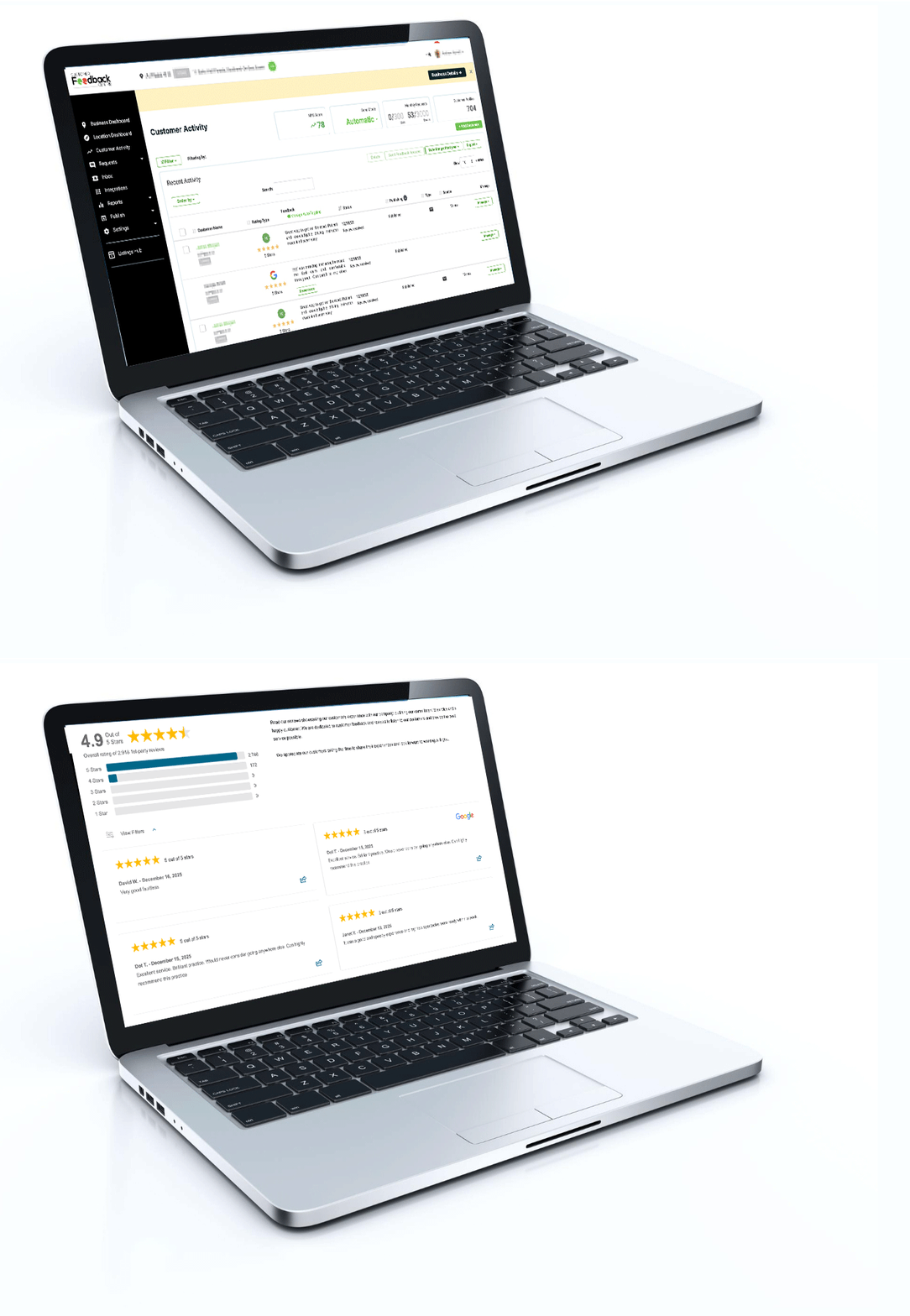
The Customer Feedback Centre makes this process straightforward for UK service businesses.
Its automated tools send review requests at the right time, using a process that is ethical and consistent, so you are never relying on remembering to follow up manually.
For businesses that want to grow review volume without adding to their workload, this kind of automation is a practical step forward.
How to respond to reviews, good and bad
How you respond to customer reviews says as much about your business as the reviews themselves. Potential customers read your responses to understand how you treat people, whether you care about feedback, and how you handle things when something goes wrong.
Every response is a small piece of your reputation in action.
Responding to positive reviews
When someone takes the time to leave a positive review, a personalised response goes a long way. Reference something specific from what they wrote rather than posting a generic thank-you.
If they mentioned your team by name or described a particular part of the job, acknowledge it directly.
This shows that you actually read their feedback and that you value it as more than just a star rating. Generic replies like "Thanks for your review!" are better than nothing, but they miss an opportunity to build a genuine connection.
Responding to negative reviews
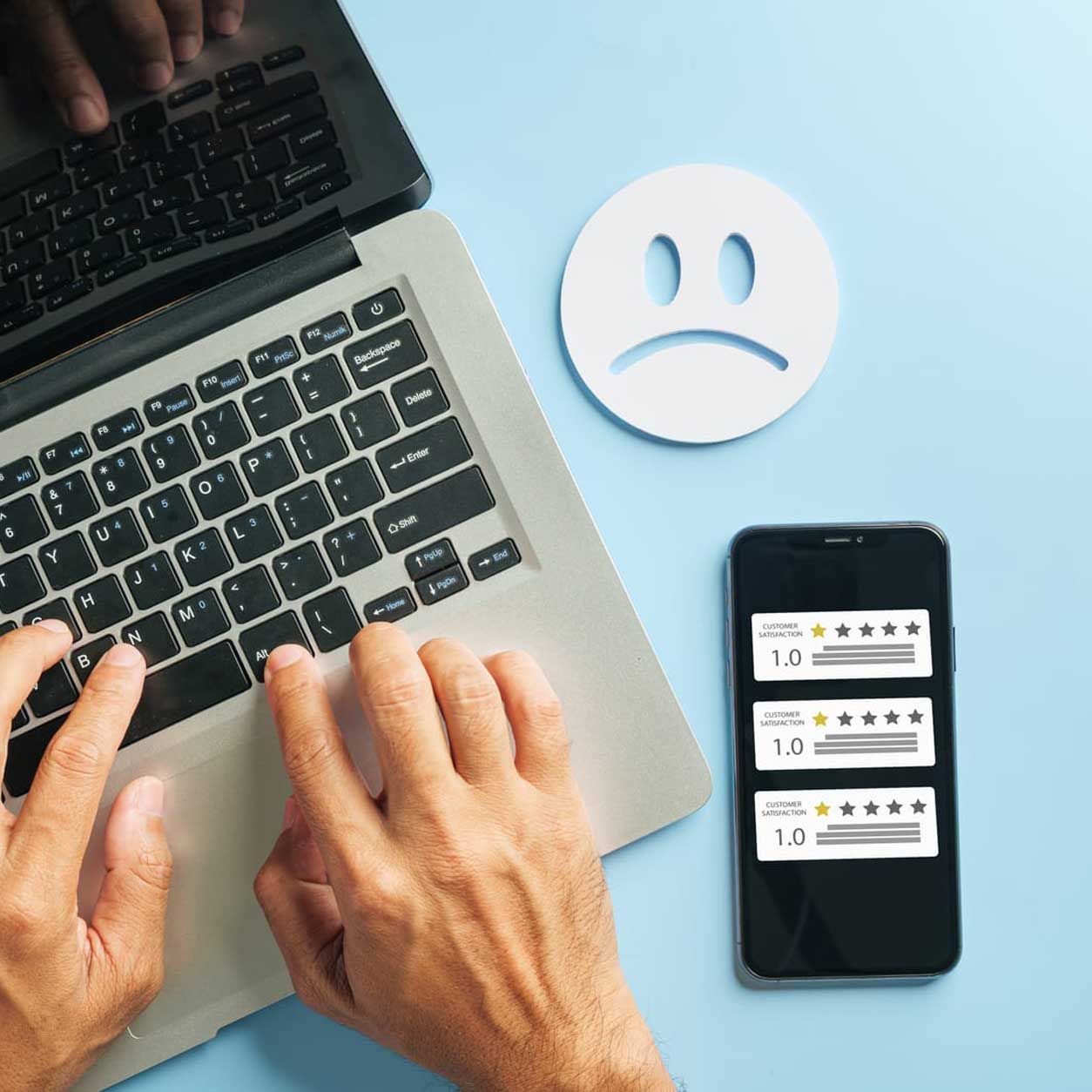
Negative reviews require more care, but they are not something to fear.
The right response to a critical review can actually build more trust than a positive review left without a reply. Start by acknowledging the customer's experience without being dismissive or defensive.
Apologise where it is appropriate to do so, even if you believe the full picture is more complicated.
Then explain what you have done or will do to address the situation.
Keep your tone calm and professional throughout, even if the review feels unfair.
If the situation needs a proper resolution, invite the customer to contact you directly so the conversation can move offline and be handled properly.
Why you should respond to every review
Ignoring reviews, whether they are positive or negative, signals to potential customers that you are not paying attention. Businesses that respond consistently come across as more engaged and more accountable.
Aim to respond within 24 to 48 hours as a general rule. You do not need to write a long reply every time, but acknowledging feedback promptly shows that your business is active and that customer opinions are taken seriously.
Over time, this consistency becomes a visible part of your reputation.
What to do during a reputation crisis
Even well-run businesses face difficult moments online. A complaint that goes viral in a local Facebook group, a cluster of negative reviews after an unusually difficult period, or a misunderstanding that escalates publicly can all feel alarming.
The good news is that most situations can be managed well, and a business that handles a crisis with transparency often comes out of it with stronger trust than before.
There are five steps that tend to make the biggest difference. First, pause before you respond. Reacting quickly with an emotional reply often makes things worse.
Give yourself a short window to read the situation clearly before posting anything publicly. Second, acknowledge the issue.
Even if you do not yet have all the answers, a brief public statement that shows you are aware and taking it seriously goes a long way. Third, respond with empathy rather than defence.
People want to feel heard before they want to hear explanations. Fourth, move the detailed conversation offline. Invite the customer to contact you directly and resolve the specifics in private. Fifth, learn from what happened.
Once things have settled, review the situation honestly and consider whether there are changes worth making to prevent a repeat.
To make this concrete, consider a scenario that many UK tradespeople will recognise.
A plumber completes a job for a customer, and the following week receives a one-star review claiming the work was shoddy and caused a leak.
The plumber responds calmly, apologises for the customer's experience, explains that they take all feedback seriously, and invites the customer to call directly so they can return and assess the situation.
The customer calls, the issue turns out to be unrelated to the original job, but the plumber visits anyway and helps resolve it at no charge.
The customer updates the review to four stars and mentions how professionally the complaint was handled. Others reading the reviews see not just the original complaint, but the response and the resolution.
The business looks trustworthy and competent precisely because of how it handled the difficulty.
How to measure your online reputation over time
Tracking your reputation over time is the only way to know whether your efforts are actually working. Without measurement, you are managing blind. The good news is that most of the data you need is freely available.
There are four practical metrics worth tracking regularly. The first is review volume and average star rating. Note these at the start of each month and track how they change.
A slow but steady increase in both is a healthy sign. The second is sentiment, meaning the general tone of what customers are saying.
Even if your star rating stays the same, shifts in the language customers use can signal changing perceptions before they show up in scores. The third is search result positioning.
Keep a note of what appears on the first page of Google when someone searches your business name.
Over time, you want to see positive, relevant content filling those results. The fourth is response time. Track how quickly you are replying to new reviews and try to keep this consistent.
Google Business Profile provides useful free insights, including how often your profile appears in search results, how many people clicked through to your website, and how customers are finding you.
Reviewing these trends every month takes only a few minutes and gives you a useful picture of how your reputation is performing in real terms.

Common online reputation management mistakes to avoid
Most UK service businesses make reputation mistakes not out of carelessness, but because nobody has ever pointed out the pitfalls. Here are five worth knowing about.
The first is ignoring reviews entirely. Businesses that never respond to reviews look inactive and indifferent. Even a brief, genuine reply shows that someone is paying attention.
The second is buying fake reviews. This practice is widespread, but it is both unethical and counterproductive. Platforms like Google and Trustpilot have systems in place to detect suspicious review activity, and businesses caught with fake reviews risk having their profiles penalised or taken down entirely.
The Customer Feedback Centre's approach is built around genuine, compliant review collection, which means every review you earn is real and defensible.
The third mistake is responding defensively to negative feedback. An aggressive or dismissive response to a complaint damages your reputation far more than the original review.
The fourth is inconsistent monitoring. Checking your profiles every few months means you miss conversations as they are happening and lose the chance to respond in a timely way.
The fifth is neglecting your online profiles. Profiles with missing information, outdated photos, or unanswered questions look unprofessional and can put potential customers off before they even read a single review.
Online reputation management tools and software
There comes a point for most growing service businesses when managing your online reputation manually starts to take up more time than it is worth.
Understanding when to bring in tools, and what to look for, can save you a significant amount of effort.
When should you consider ORM software?
If your business is receiving ten or more reviews each month across multiple platforms, manual management becomes genuinely time-consuming.
Logging into four or five different platforms daily, tracking responses, and making sure nothing slips through takes longer than most business owners realise.
The clearest sign that it is time to consider a centralised tool is when you find yourself either struggling to keep up or choosing to check less often because it feels like too much work.
What types of ORM tools are available?
Tools in this space generally fall into four categories. Review management platforms help you collect, monitor, and respond to reviews from a single dashboard.
Social listening tools track mentions of your business across social media, including in conversations where your account has not been tagged directly.
Alert services like Google Alerts notify you when new content mentioning your business appears online.
All-in-one platforms combine several of these functions, making it easier to manage your reputation from one place.
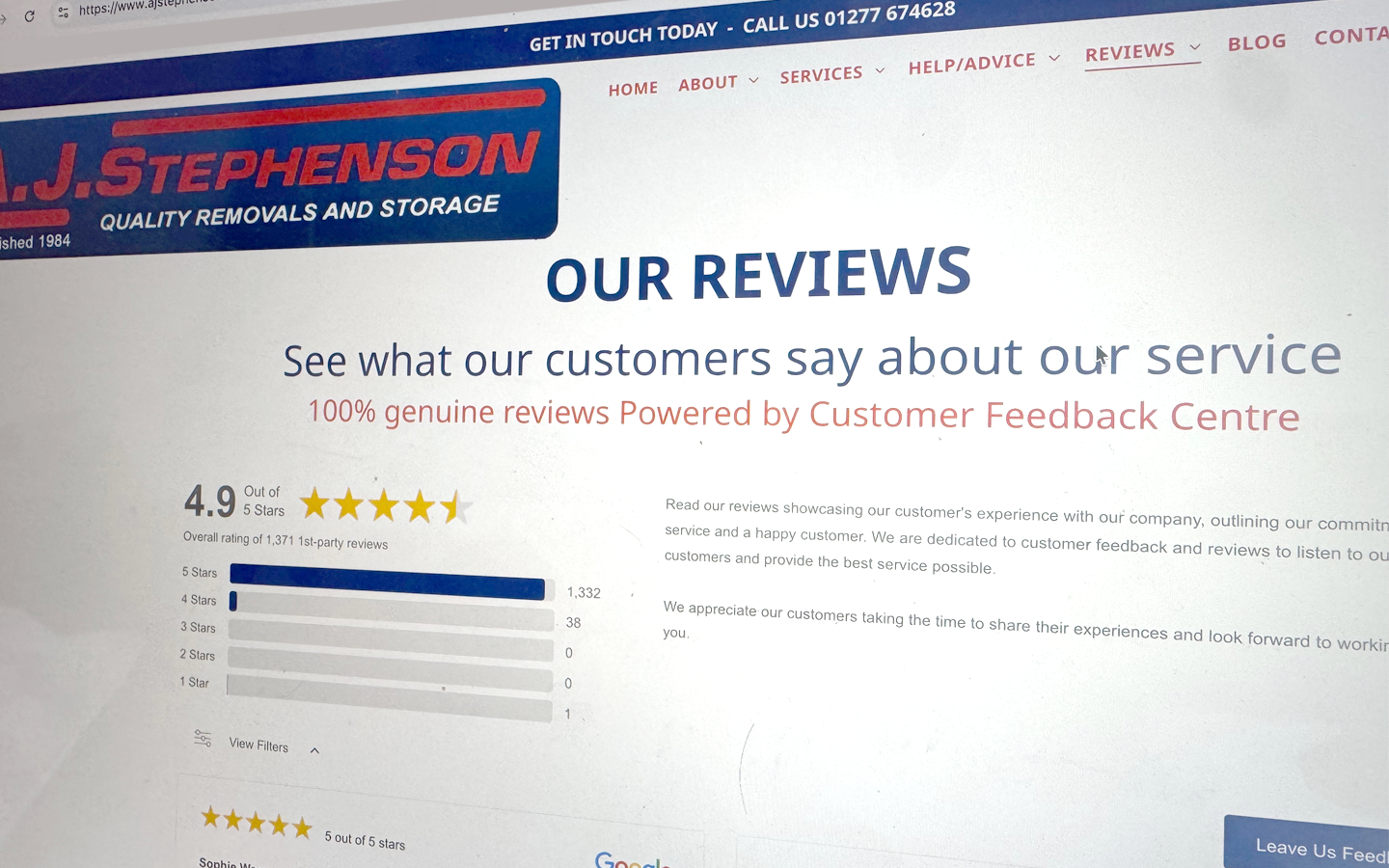
The Customer Feedback Centre offers an all-in-one solution built specifically for UK service businesses. Its tools automate the review collection process ethically, help you monitor feedback across platforms, and give you the reporting you need to track progress without spending hours each week on manual checks.
What should you look for in a reputation management platform?
When evaluating any ORM platform, consider three things. First, platform coverage: does it connect to the review sites and social channels your customers actually use?
A tool that only covers one or two platforms will leave gaps. Second, response features: can you respond to reviews directly from the platform, or do you have to log in to each one separately?
Third, reporting: does it give you clear data on review volume, average ratings, and trends over time? Before committing to any paid subscription, take advantage of a free trial to make sure the tool fits your workflow and the way your business actually operates.
Start managing your reputation with confidence
Online reputation management for small businesses is not about perfection. It is about consistency, genuine engagement, and a clear approach that builds trust with every interaction.
When you collect real reviews, respond thoughtfully, monitor your presence regularly, and learn from feedback, the cumulative effect over time is a stronger business with more leads and more loyal customers.
The Customer Feedback Centre was built to help UK service businesses do exactly this, without complexity, without cutting corners, and without the overhead of a large marketing team.
Its ethical, automated approach means you can build a genuine reputation that stands up to scrutiny and grows with your business.
If you are ready to take control of how your business appears online, explore what The Customer Feedback Centre can do for you.
Frequently asked questions
What is online reputation management and why does it matter for UK service businesses?
Online reputation management is the process of monitoring, shaping, and improving how your business appears online. For UK service businesses, this matters because most potential customers will check your reviews and search results before deciding whether to contact you. A well-managed reputation builds trust, attracts new customers, and gives you a competitive edge over businesses that are not paying attention to what people are saying about them online.
How long does it take to improve your online reputation?
There is no fixed timeline, but most service businesses start to see meaningful progress within three to six months of consistent effort. If you are actively collecting genuine reviews, responding promptly, and maintaining your profiles, your average rating and review volume will grow steadily. Significant improvements in search result content can take a little longer, particularly if there is older negative content to work around.
Should you respond to every customer review, including positive ones?
Yes. Responding to every review, both positive and negative, signals that you are engaged and that you value customer feedback. For positive reviews, a short personalised response reinforces goodwill and encourages others to leave feedback. For negative reviews, a calm and empathetic response shows potential customers how you handle problems, which is often more reassuring than simply having no complaints at all.
Can you remove a negative review from Google or Trustpilot?
In most cases, you cannot remove a genuine negative review simply because you disagree with it. Google and Trustpilot both allow businesses to flag reviews that violate their content policies, such as those containing false information, spam, or inappropriate language. These are reviewed on a case-by-case basis and removal is not guaranteed. The most effective approach is to respond professionally to negative reviews and focus on building a volume of positive reviews alongside them.
How often should a small service business monitor its online reputation?
A weekly check of your main review platforms is a good baseline for most service businesses. This covers Google Business Profile, Trustpilot, and any other platforms relevant to your sector. Running a Google search on your business name every two weeks gives you a broader view of what potential customers see. Google Alerts can handle continuous monitoring in the background without requiring any regular manual effort.
Is it ethical to ask customers to leave a review?
Yes, asking customers to leave a review is entirely ethical, provided you are asking for their honest opinion and not incentivising a specific outcome. Offering rewards in exchange for positive reviews is against the terms of service of most platforms and can mislead potential customers. The Customer Feedback Centre's review collection process is built around ethical, compliant requests that invite genuine feedback without pressure or incentive.
What is the difference between online reputation management and SEO?
SEO is about improving where your website ranks in search results for relevant search terms. Online reputation management is about what those search results say about your business once people find them. The two are complementary. A strong reputation, reflected in positive reviews and well-maintained profiles, can support your local SEO performance. Good SEO helps surface your most positive content more prominently. For service businesses, doing both well gives you the strongest possible online presence.
Discover what the Customer Feedback Centre could do for your business.
No contract required. Cancel anytime. Setup in as little as 24 hours.
Prefer to ask a question first? Use the contact form on our Contact page and we'll get back to you promptly.
Recent Posts