Local SEO Ranking Factors: What Helps Your Business Get Found and Chosen on Google?
Local visibility is not simply about having a website

For a local business, appearing prominently on Google can make a significant difference to the number of people who discover you, visit your website and ultimately make an enquiry.
But local visibility is not simply about having a website or creating a Google Business Profile and leaving it there.
Google considers a range of signals when deciding which businesses to display in local search results.
And there is another important consideration.
Being found is only half the battle.
Once a potential customer finds your business, they still need to trust you enough to choose you.
That is why your Google Business Profile, customer reviews, business information, website and overall online reputation need to work together.
How does Google decide which local businesses to show?
Google says local results are primarily determined by three broad factors:
Relevance
How closely does your business match what the person is searching for?
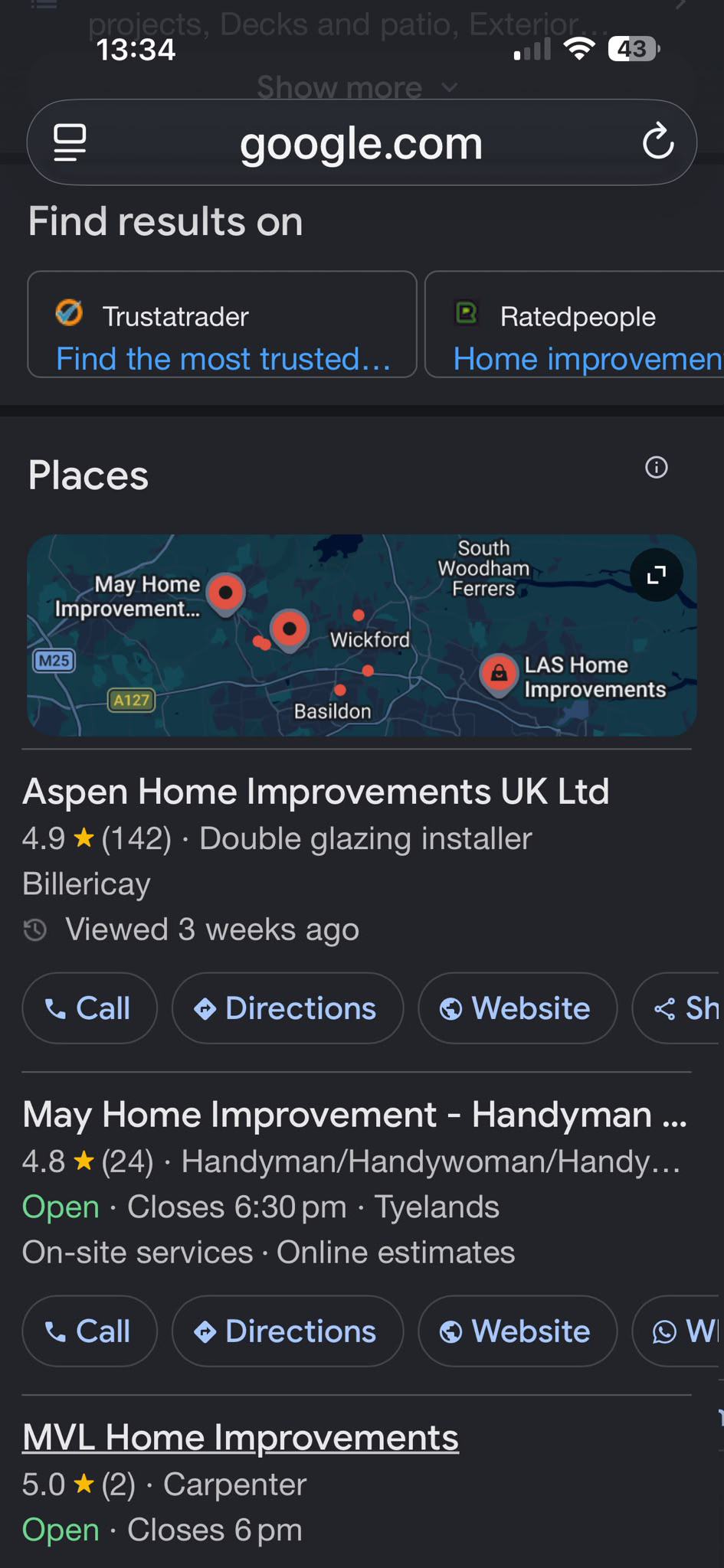
If somebody searches for "double glazing installer near me", "osteopath in Essex" or "local removal company", Google needs to understand exactly what your business offers.
Distance
How close is the business to the person searching, or to the location included in their search?
You cannot control where the potential customer happens to be, but you can make sure Google clearly understands where your business operates.
Prominence
How established and well known does the business appear to be?
This is where your wider online reputation becomes particularly important.
Google states that information such as links to your business, the number of Google reviews you have and your review ratings can contribute to prominence.
So what can a local business actually work on?
Here are ten areas worth paying attention to.

1. Choose the correct Google Business Profile category
Your main business category helps Google understand what your business actually is.
The more accurately your category represents your core service, the easier it is for Google to match your business with relevant searches.
Avoid choosing categories simply because you want to rank for a particular keyword.
Instead, ask:
What is the most accurate description of our main business?
That should guide your primary category.
2. Add relevant secondary categories
Google also allows businesses to select additional categories where appropriate.
These can help provide a more complete picture of the services you offer.
The key word is relevant.
Adding categories that bear little relationship to your actual business is unlikely to help and can make your profile less accurate.
Your categories should describe what the business genuinely is, rather than becoming a list of every service you would like Google to associate with you.
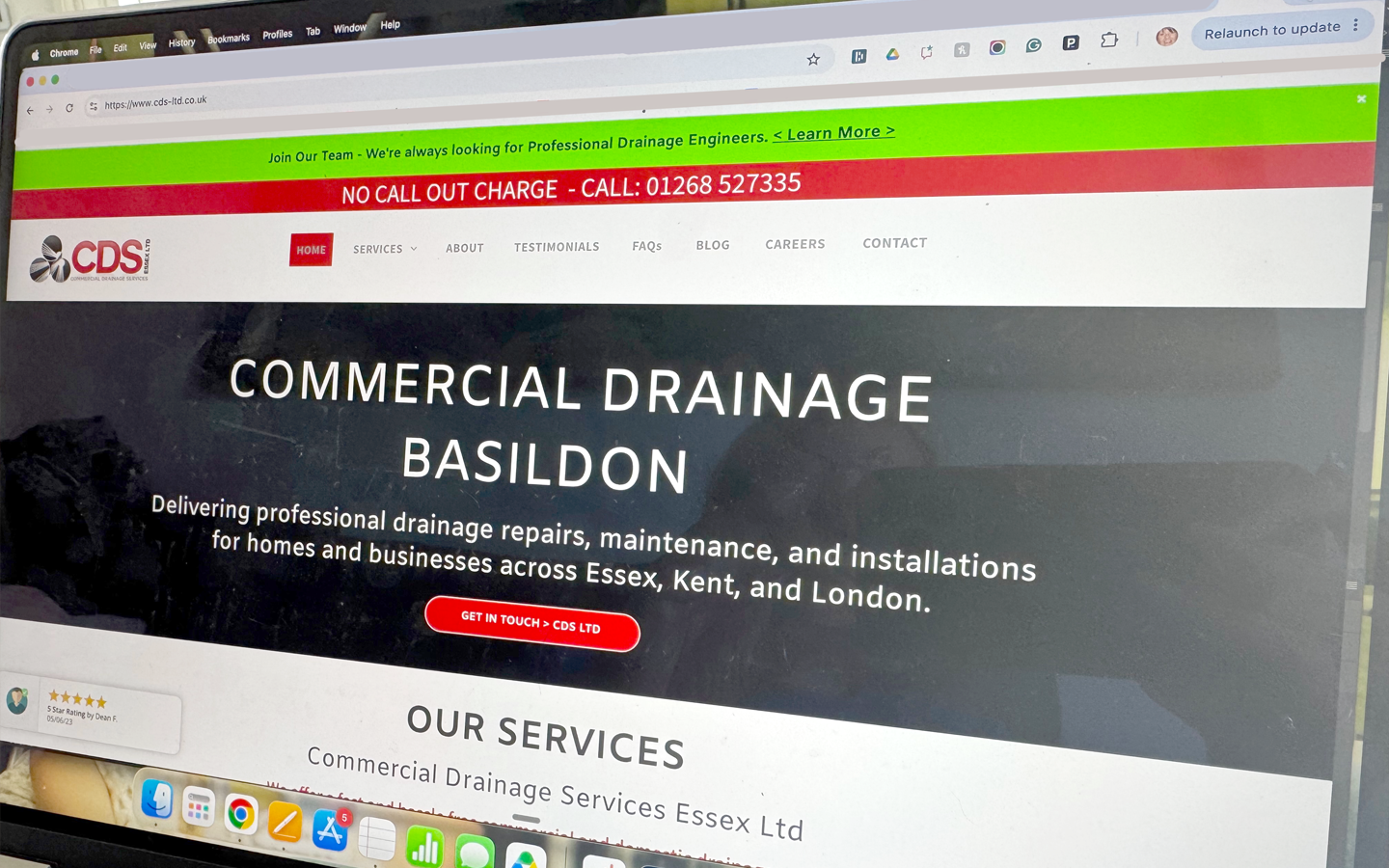
3. Make your website clear about what you do and where you do it
Your website helps Google understand your business too.
Service pages should clearly explain:
- what you offer
- who the service is for
- the areas you cover
- why somebody should choose your business
- how they can take the next step
For businesses covering several important services or locations, dedicated pages can often make far more sense than trying to cram everything onto one page.
A customer should be able to land on a page and immediately think:
"Yes, this is exactly what I was looking for."

4. Keep your business information consistent
Your business name, address and telephone number should be accurate and consistent wherever your company appears online.
That includes:
- your website
- Google Business Profile
- social media
- industry directories
- local directories
- other relevant business listings
Consistency helps search engines understand that these different references all relate to the same organisation.
It also avoids something even more basic: confusing potential customers.
5. Complete your services section
Your Google Business Profile gives you the opportunity to explain the services you offer.
Use it.
An incomplete profile gives Google and prospective customers less information to work with.
List your genuine services and make them easy to understand.
If you are an installer, clinic, garage, professional practice or other local service business, think about the individual services customers are actually likely to search for.
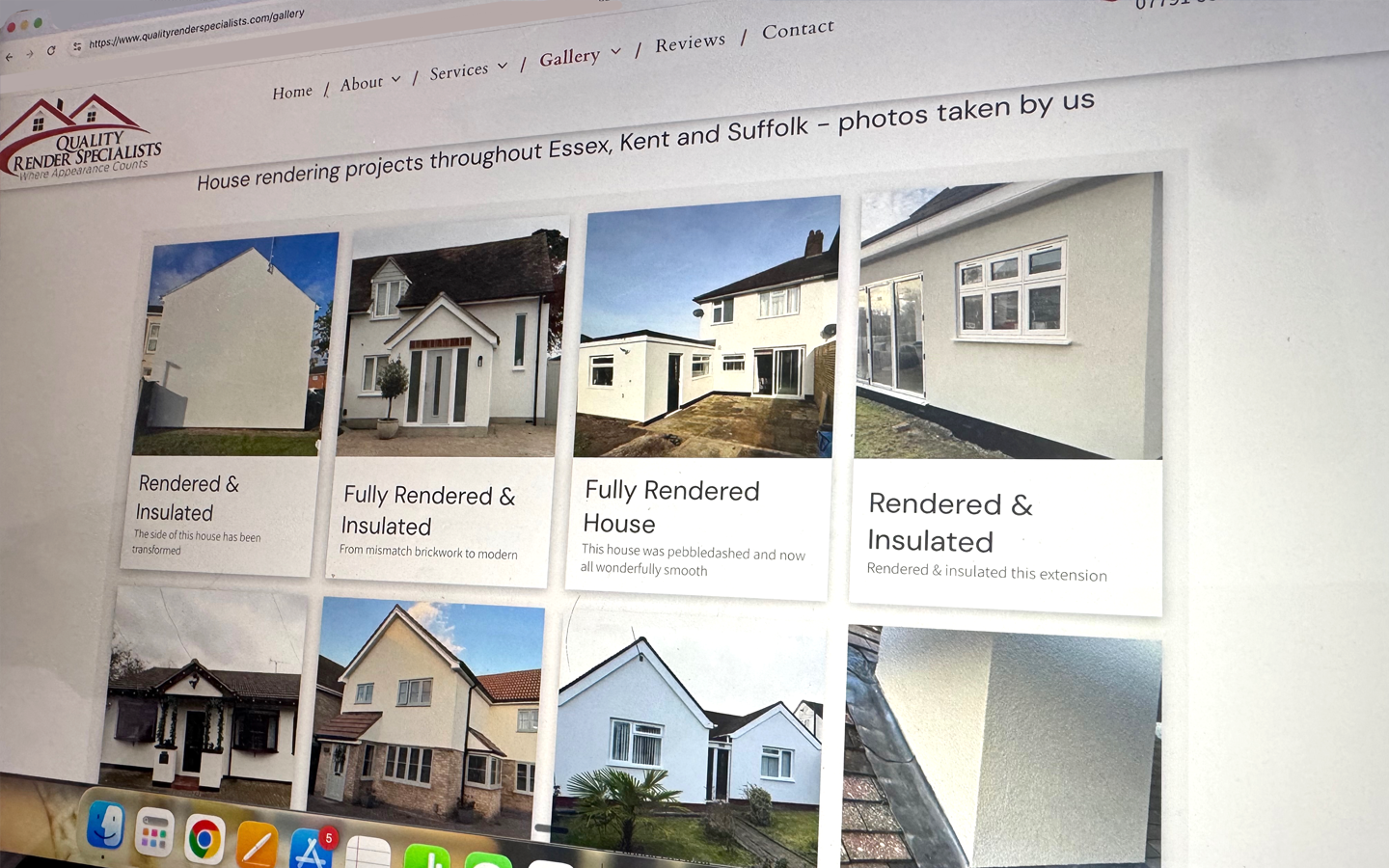
6. Use good quality, relevant photographs
Photographs help potential customers understand what your business looks like before they contact you.
Depending on the type of company, this could include:
- completed work
- your premises
- your team
- vehicles
- installations
- products
- before and after photographs
- customers using your service, where permission has been given
Generic stock photography might make a page look tidy, but genuine photographs provide something far more valuable.
Proof that the business is real.

7. Keep your Google Business Profile active and accurate
Business details change.
Opening hours change. Services change. Photographs become dated. Teams grow. New work is completed.
Your Google Business Profile should reflect the business customers would encounter today, not the business as it looked three years ago.
Regularly review your:
- opening hours
- telephone number
- website
- services
- business description
- photographs
- other key business information
An accurate profile makes life easier for both Google and your customers.
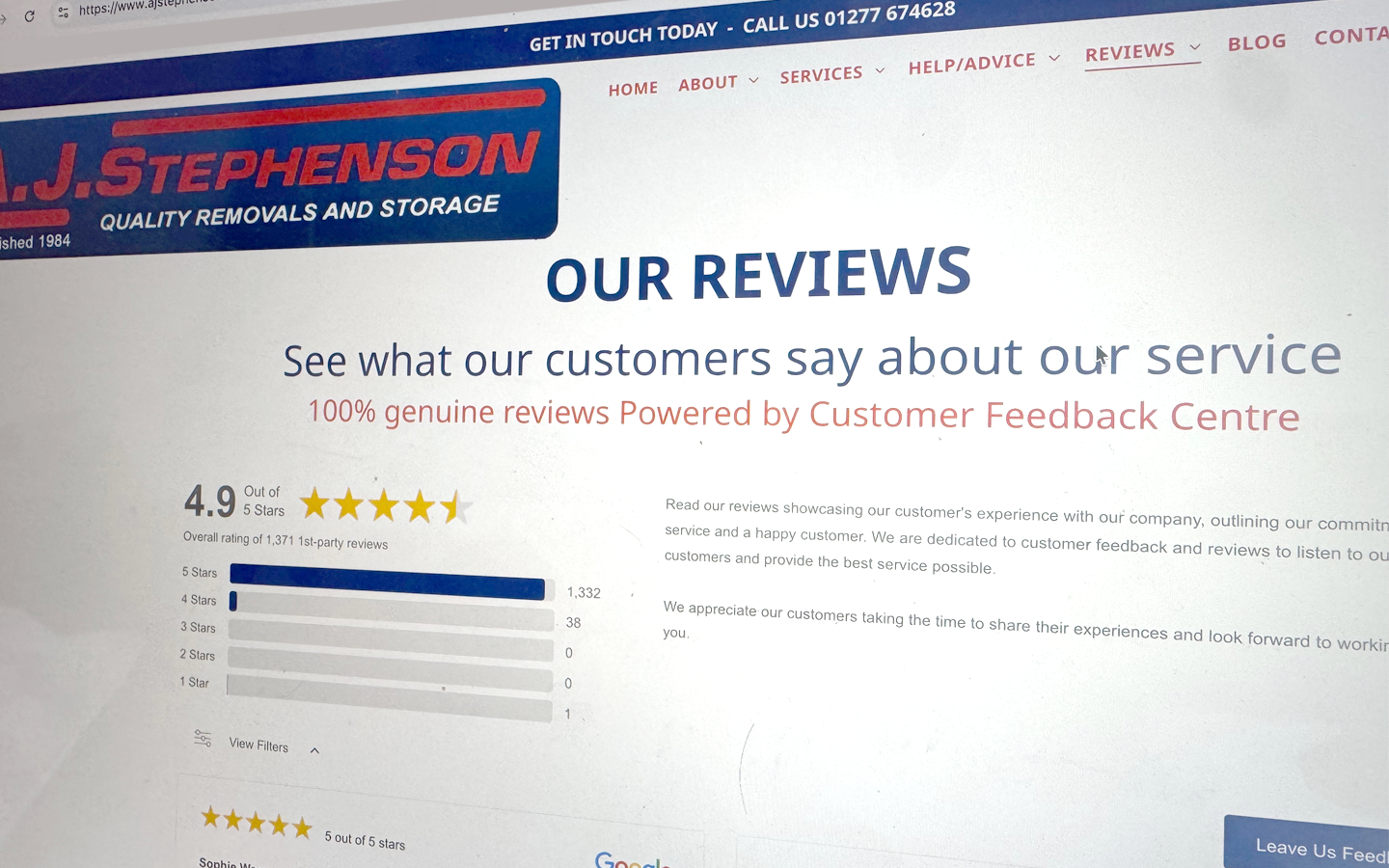
8. Build customer reviews consistently
This is where local search and reputation start to overlap.
Google itself states that more reviews and positive ratings can help a business's local ranking.
But reviews do far more than potentially influence visibility.
They influence people.
Imagine a homeowner searching for a local installer and finding three businesses that appear capable of doing the job.
One has 18 reviews.
One has 64.
Another has 247 recent reviews describing the quality of the workmanship, communication, reliability and service.
Which business immediately feels like the safer choice?
That is why review collection should not be something a business remembers to do occasionally.
It should be a process.

9. The content of reviews matters too
A detailed review tells a prospective customer much more than five stars on their own.
Compare:
"Great company. Highly recommended."
with a customer naturally talking about:
- the service they purchased
- what the team did well
- communication
- workmanship
- reliability
- the end result
- their overall experience
These reviews give future customers context.
They answer the questions prospective buyers often have before they even make contact.
The objective should never be to tell a customer exactly what to write or artificially stuff reviews with keywords.
Instead, make it easy for customers to talk naturally about their genuine experience.
10. Respond to your customer reviews
Your reviews are not simply messages between your business and an existing customer.
Future customers read them too.
Responding demonstrates that feedback is noticed and valued.
For positive reviews, it gives you an opportunity to acknowledge the customer.
For negative feedback, a calm and professional response can show prospective customers how your business behaves when something does not go perfectly.
In other words, the review might belong to one customer.
Your response is written for everyone who reads it afterwards.
Local SEO is not just about rankings
This is where businesses can get local SEO wrong.
They concentrate entirely on:
"How do we get higher on Google?"
That is important.
But a better question is:
"When somebody finds us on Google, does everything they see make them more likely to choose us?"
Because appearing prominently with:
- very few reviews
- an outdated profile
- poor photographs
- unanswered feedback
- inconsistent information
- does not create the same commercial advantage as appearing with a strong, credible online reputation.
Visibility gets you considered.
Trust helps you get chosen.
Your reviews are part of your reputation infrastructure
For established service businesses, great customer experiences are already happening every week.
The problem is that much of that positive feedback disappears.
A customer tells a member of staff they are delighted.
Someone sends a lovely email.
Another customer recommends the business to a friend.
But unless those experiences become visible, future customers never see them.
A structured review and feedback process helps turn those individual customer experiences into an ongoing reputation asset.
That can strengthen:
- your Google presence
- customer confidence
- your website
- social proof
- referrals
- sales conversations
Rather than constantly having to tell people how good your business is, your customers begin doing it for you.
The takeaway
There is no single switch that guarantees a top local Google position.
Google looks at factors including relevance, distance and prominence when generating local results.
Businesses therefore need to take care of the fundamentals: accurate information, relevant categories, a strong website, useful photographs, complete service information and an active Google Business Profile.
But do not overlook the element that sits at the intersection of Google visibility and human decision-making.
Your reputation.
Because getting found matters.
But ultimately, the business that grows is the business customers feel confident enough to choose.
Discover what the Customer Feedback Centre could do for your business.
No contract required. Cancel anytime. Setup in as little as 24 hours.
Prefer to ask a question first? Use the contact form on our Contact page and we'll get back to you promptly.